
That assumption is rapidly becoming outdated.
Five years ago, a typical virtualisation host might have looked something like this:
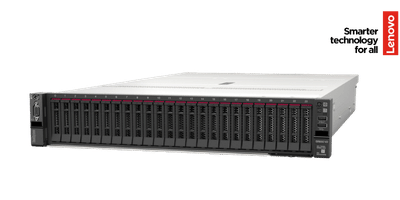
A rack containing ten servers of this type would typically consume between 4kW and 6kW. Add some switches and supporting devices, and most server rooms could
Today's virtualisation environments often consolidate significantly more workloads onto fewer hosts.
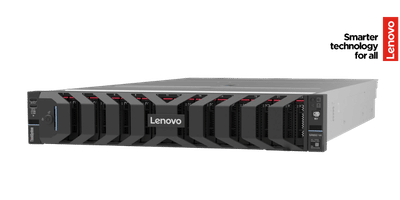
While these systems deliver dramatically higher performance, they can consume nearly double the power of similar systems deployed only a few years ago.
The largest shift in infrastructure power planning is the adoption of GPUs.
Many organisations are investigating:
The following example demonstrates how power planning for modern servers has evolved as virtualisation platforms become more powerful and workloads continue to grow.

Example Configuration
Typical Power Consumption
In many environments this remains manageable.
Example Configuration
Power Requirements:
A single server can now consume as much power as three or four traditional virtualisation hosts from only a few years ago.
Five years ago, many mid-market racks operated comfortably at:
Today we regularly see designs targeting
AI and GPU environments may exceed:
This creates challenges beyond simply supplying electricity.
Higher rack densities increase:
A server room that comfortably supported ten virtualisation hosts in 2021 may require significant upgrades before supporting modern AI infrastructure.
Many Australian server rooms were originally designed around standard 10A circuits.
10A Circuit @ 240V has a theoretical maximum: 2.4kW
Recommended continuous load (80% rule): Approximately 1.9kW
15A Circuit @ 240V has a theoretical maximum: 3.6kW
Recommended continuous load (80% rule): Approximately 2.9kW
What does this mean in practice?
A dual-GPU AI server consuming 1.8kW may almost fully utilise an entire 10A circuit by itself. Adding a second similar server could require a dedicated 15A circuit or larger power infrastructure.
Before purchasing new servers, organisations should evaluate:
Before investing in new infrastructure, let our specialists assess your power, cooling and rack capacity to identify potential constraints and recommend the right solution.
Talk to a Power SpecialistCPU performance continues to increase, but the real change in infrastructure planning is the rise of GPU-accelerated workloads.
Many server rooms were designed around workloads that consumed a few hundred watts per server. Modern virtualisation hosts often exceed 1kW, while AI-focused systems can approach 2kW or more.
Power, cooling, and rack capacity are rapidly becoming critical design considerations rather than afterthoughts.
Organisations considering server refreshes, AI initiatives, VDI projects, or GPU deployments should evaluate their power and environmental infrastructure before new equipment arrives.
The question is no longer whether the server will fit in the rack.
Effective power planning for modern servers should now be considered a core part of every server refresh and infrastructure modernisation project.
The question is whether the rack, power, and cooling infrastructure can support the server.